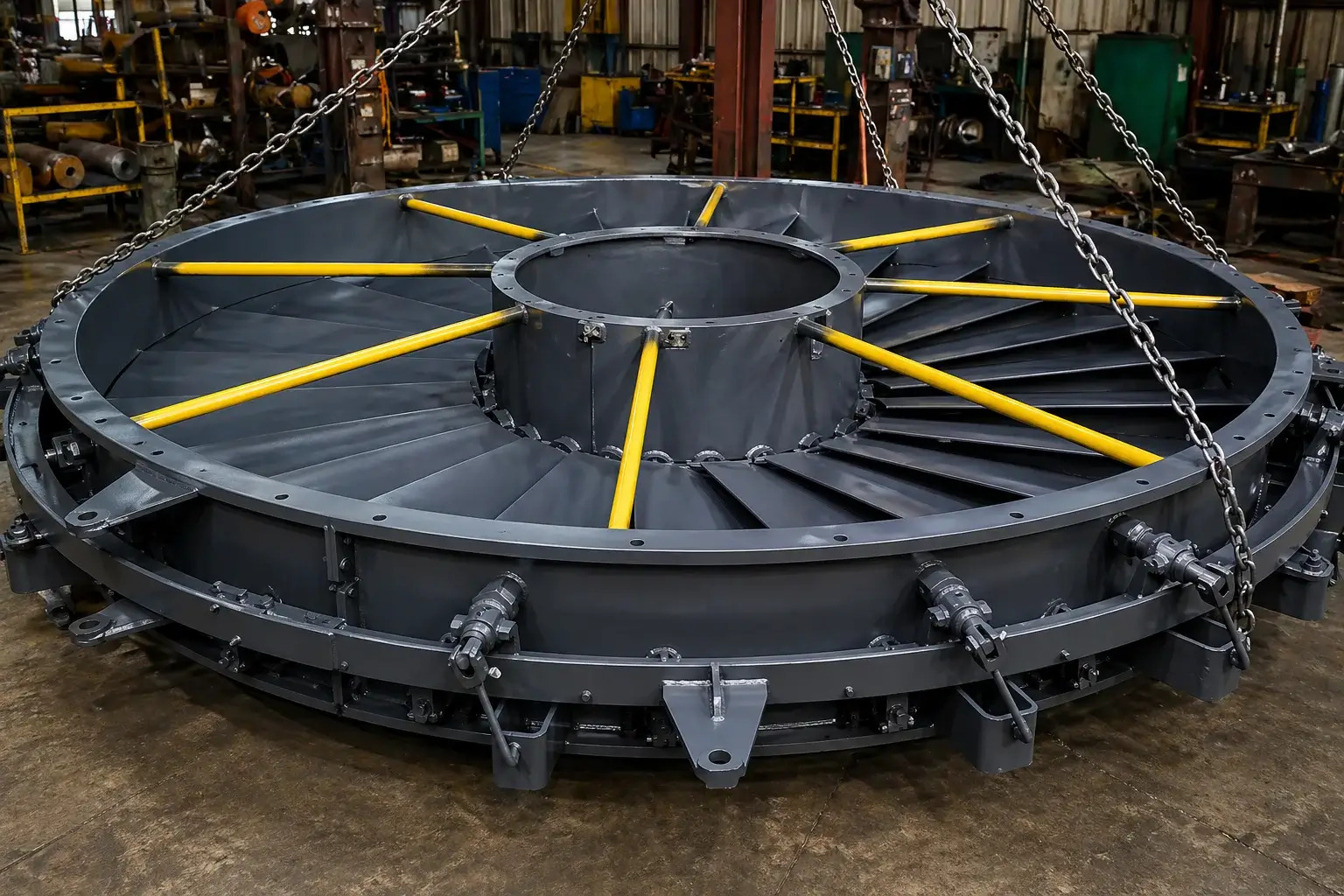

Flue Gas Damper Manufacturer for Efficient Gas Flow Control
- Damper
- Oct 05, 2026
- 6 Views
Flue Gas Damper Manufacturer for Efficient Gas Flow Control
Industrial plants depend on efficient gas-handling systems to maintain safe, reliable, and continuous operations. In power generation, cement production, steel processing, chemical manufacturing, waste treatment, and other industries, controlling the movement of hot and corrosive gases is an essential part of the process. Flue gas dampers are designed to regulate, isolate, redirect, or shut off gas flow within ducts and exhaust systems. Their performance can directly influence system efficiency, safety, maintenance requirements, and energy consumption.
A professional Flue Gas Damper Manufacturer focuses on producing equipment that can operate under demanding temperature, pressure, and environmental conditions. Proper damper selection requires consideration of gas composition, operating temperature, duct dimensions, pressure conditions, sealing requirements, and actuation methods. A well-designed damper can provide dependable flow control while reducing unwanted leakage and supporting smooth plant operation. As industrial facilities continue to improve energy efficiency and environmental performance, dependable flue gas control equipment has become increasingly important for modern process systems.
What Is a Flue Gas Damper?
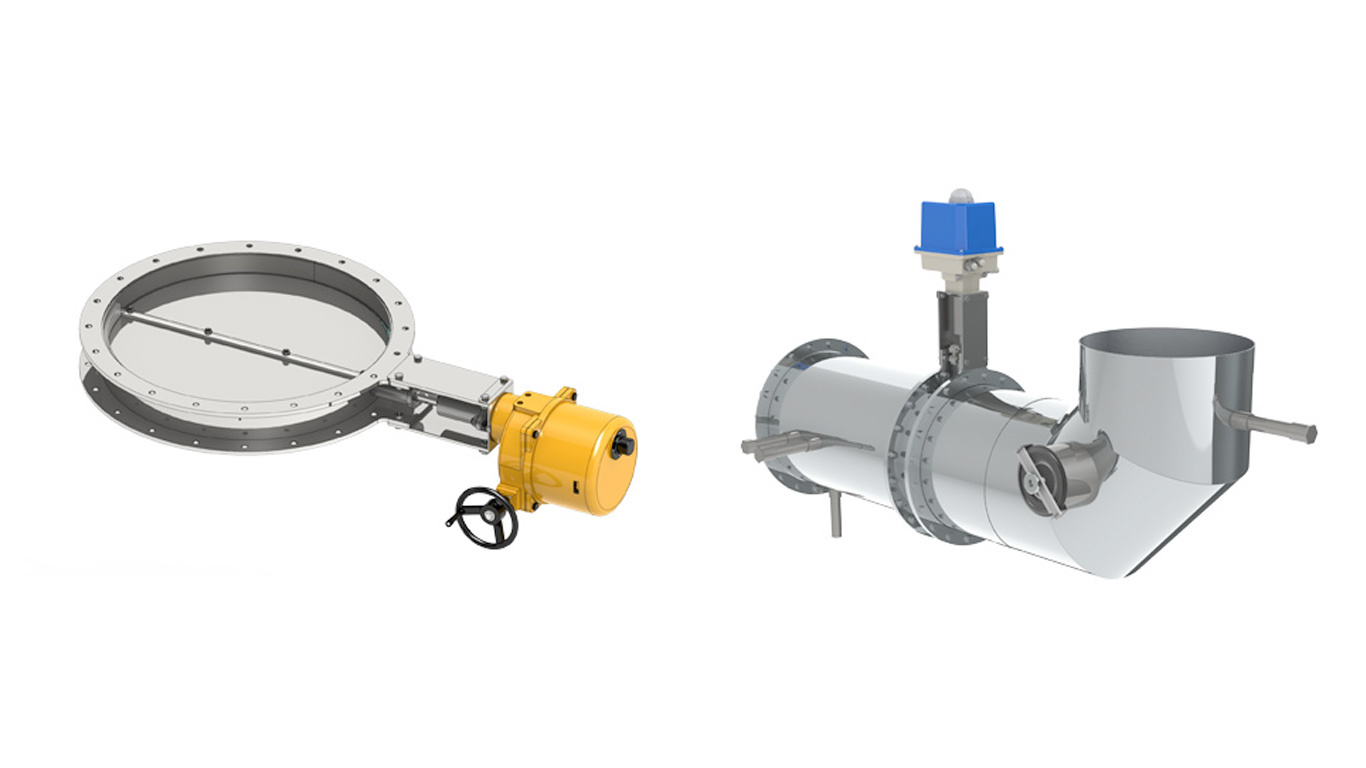
A flue gas damper is a mechanical device installed in a duct, chimney, exhaust line, or gas-handling system to control the movement of flue gases. Depending on the application, a damper may be used for regulating flow, isolating equipment, controlling pressure, or preventing gases from entering a particular section of the system. Dampers are available in different configurations and can be operated manually or through pneumatic, hydraulic, or electric actuators.
The operating environment of flue gas systems can be particularly challenging. Gases may contain moisture, dust, ash, chemicals, sulfur compounds, or other contaminants that can affect equipment performance over time. High temperatures can also place significant stress on materials, seals, bearings, and moving components. Therefore, the damper must be designed according to the specific operating conditions of the plant.
An experienced Flue Gas Damper Manufacturer considers these factors during engineering and manufacturing to deliver a solution that provides dependable operation and long service life. Correct sizing and material selection are equally important because an unsuitable damper can cause excessive pressure loss, leakage, corrosion, or premature mechanical failure.
Importance of Flue Gas Dampers in Industrial Systems
Flue gas dampers perform several important functions in industrial gas-handling systems. One of their primary purposes is to regulate the quantity of gas moving through a particular duct or process line. By controlling gas flow, operators can maintain desired process conditions and improve the overall performance of connected equipment.
Dampers are also commonly used for isolation. During maintenance, inspection, or equipment shutdown, an isolation damper can help separate one part of the system from another. This can improve operational safety and make maintenance activities easier to manage. In systems with multiple gas paths, dampers can also redirect gases according to changing process requirements.
Another important function is reducing unwanted air or gas leakage. Properly designed sealing arrangements can help minimize leakage when the damper is closed. This can improve thermal efficiency and reduce unnecessary energy losses.
In large industrial facilities, even small inefficiencies can become significant when equipment operates continuously. For this reason, selecting a suitable damper design and actuator system is an important part of overall plant engineering.
Key Applications of Flue Gas Dampers
Flue gas dampers are used across a wide range of industries where hot gases, exhaust gases, or combustion products need to be controlled. Power plants are one of the major applications because combustion systems require controlled movement of gases through boilers, ducts, exhaust systems, and emission-control equipment.
Cement plants also use dampers extensively in kiln and gas-handling systems. These applications often involve high temperatures and abrasive dust, making material selection and construction quality particularly important. Steel plants, foundries, chemical processing facilities, incineration plants, and waste-to-energy facilities can also require specialized damper solutions.
Common applications include:
Boiler and furnace exhaust systems
Flue gas desulfurization systems
Cement kiln gas systems
Industrial incinerators
Waste-to-energy plants
Steel and metal processing systems
Chemical processing facilities
Dust collection and exhaust systems
Industrial chimneys and stacks
Heat recovery systems
Combustion air and exhaust ducts
Gas isolation systems
The exact damper configuration depends on the operating conditions, available space, gas characteristics, and required level of flow control.
Types of Flue Gas Dampers
Different industrial processes require different damper configurations. Butterfly dampers are commonly selected where compact construction and relatively simple flow control are required. They use a rotating disc to regulate the passage of gas and can be equipped with different actuator arrangements.
Louver dampers use multiple blades and may be suitable for applications where precise control of gas flow is required. Guillotine dampers, on the other hand, are often used where positive isolation is particularly important. They typically use a sliding blade that moves into position to block the gas passage.
Other designs can include multi-blade dampers, diverter dampers, isolation dampers, and regulating dampers. Each configuration has specific advantages depending on the application.
Damper Type | Common Application | Main Advantage |
|---|---|---|
Butterfly Damper | Gas regulation and isolation | Compact design |
Louver Damper | Flow control | Adjustable gas passage |
Guillotine Damper | Positive isolation | Strong shut-off capability |
Diverter Damper | Gas routing | Changes flow direction |
Multi-Blade Damper | Large ducts | Suitable for large gas volumes |
Isolation Damper | Maintenance protection | Separates equipment sections |
A qualified engineering team can help determine which design is appropriate based on operating temperature, pressure, gas composition, duct size, and required sealing performance.
Materials Used in Flue Gas Damper Construction
Material selection plays a major role in the reliability of a flue gas damper. Industrial gas systems can expose equipment to high temperatures, moisture, chemicals, abrasive particles, and corrosive compounds. Therefore, materials should be selected according to the actual service environment rather than using a standard material for every application.
Carbon steel may be suitable for certain general industrial applications, while stainless steel can provide improved resistance to corrosion and elevated temperatures. Special alloys may be considered for highly demanding environments where conventional materials may not provide sufficient durability.
The damper blade, frame, shaft, bearings, seals, and other components may require different materials depending on their operating conditions. Protective coatings or surface treatments may also be applied when appropriate.
A reliable Flue Gas Damper Manufacturer evaluates temperature, gas chemistry, pressure, moisture, particulate concentration, and expected operating cycles before recommending materials. This approach helps reduce premature wear and supports dependable performance throughout the equipment's service life.
Actuation Options for Flue Gas Dampers
The actuator is responsible for moving the damper between its required positions. Depending on the application, dampers can be operated using manual mechanisms, electric actuators, pneumatic actuators, or hydraulic systems.
Electric actuators are widely used when accurate positioning and automated operation are required. They can be integrated with control systems and may support remote operation from a central control room. Pneumatic actuators can provide fast movement and are often considered for industrial applications where compressed air is readily available.
Manual operation can be suitable for smaller systems or applications where frequent adjustment is not necessary. The choice of actuator depends on factors such as damper size, operating frequency, required speed, control requirements, available utilities, and safety considerations.
For automated industrial systems, actuator selection should be considered together with the damper design. Proper torque calculation is important to ensure the actuator can move the damper reliably under actual operating conditions.
Features to Consider When Selecting a Flue Gas Damper
Choosing the right damper requires more than simply matching the duct size. Engineers should evaluate the complete operating environment and determine which features are essential for reliable service.
Important considerations include:
Operating temperature
Gas composition
Duct size and configuration
Operating pressure
Required flow rate
Leakage requirements
Corrosion resistance
Abrasion resistance
Actuator type
Required operating speed
Frequency of operation
Maintenance accessibility
Installation conditions
Expected service life
A damper intended for a high-temperature exhaust system may require different construction than one installed in a relatively low-temperature ventilation line. Similarly, corrosive gases may require specialized materials and sealing arrangements.
Working with an experienced Flue Gas Damper Manufacturer can make the selection process easier because the manufacturer can evaluate application requirements and recommend a suitable design rather than supplying a generic product.
Benefits of High-Quality Flue Gas Dampers
A properly engineered damper can provide several operational benefits. One of the most important is improved control over gas movement. Accurate regulation can help maintain process conditions and support efficient operation of combustion and exhaust systems.
Reliable isolation can also improve maintenance safety by separating equipment sections when required. Good sealing performance may reduce unwanted leakage, helping limit energy losses and improve system efficiency.
Durable construction can reduce maintenance frequency and minimize the possibility of unexpected downtime. This is particularly important for industries where production systems operate continuously and shutdowns can result in substantial costs.
Other potential benefits include:
Better gas flow management
Improved system efficiency
Reduced leakage
Reliable equipment isolation
Lower maintenance requirements
Longer service life
Improved operational safety
Compatibility with automated control systems
Better performance under demanding conditions
The actual benefits depend on proper engineering, installation, operation, and maintenance of the damper system.
Why Choose an Experienced Flue Gas Damper Manufacturer?
Industrial dampers are not simply standard mechanical components. Their performance depends on accurate engineering, appropriate materials, proper fabrication, and correct actuator selection. An experienced Flue Gas Damper Manufacturer understands these factors and can develop solutions according to the requirements of different industrial processes.
A reliable manufacturer should be capable of understanding application data and converting it into an appropriate damper design. This includes evaluating dimensions, temperature, pressure, gas composition, leakage requirements, operating cycles, and installation conditions.
Manufacturing quality is equally important. Accurate fabrication, proper alignment, high-quality welding, suitable surface finishing, and component inspection can all influence damper performance.
Customers should also consider technical support, customization capabilities, documentation, testing procedures, spare-part availability, and after-sales assistance when selecting a supplier. A strong combination of engineering knowledge and manufacturing capability can provide greater confidence in long-term equipment performance.
Maintenance of Flue Gas Dampers
Regular maintenance helps maintain damper performance and extend service life. Inspection schedules should be developed according to the operating environment and frequency of use. High-temperature and corrosive applications may require more frequent inspection than less demanding systems.
During maintenance, operators can inspect blades, shafts, bearings, seals, actuator connections, fasteners, and other mechanical components. Unusual vibration, excessive noise, increased operating torque, or difficulty reaching the required position can indicate a developing problem.
Accumulated dust and deposits may also interfere with blade movement in some applications. Cleaning should be performed according to plant safety procedures and equipment requirements.
Preventive maintenance can help identify issues before they become major failures. Keeping accurate maintenance records can also help operators identify recurring problems and plan component replacement during scheduled shutdowns.
Flue Gas Damper Selection for Modern Industrial Plants
Modern industrial facilities increasingly focus on energy efficiency, automation, environmental performance, and operational reliability. Flue gas dampers can support these goals by providing controlled gas movement and reliable isolation within process systems.
Integration with automation systems allows operators to monitor and control damper position remotely. Position feedback can provide useful information to control systems and help verify whether a damper has reached its commanded position.
For larger facilities, multiple dampers may work together as part of a broader process-control strategy. Properly coordinated operation can help maintain stable gas flow and support efficient use of combustion, filtration, and heat-recovery equipment.
As industrial systems become more automated, damper manufacturers are increasingly expected to provide equipment that can integrate with modern control architectures. Selecting equipment with suitable actuation, feedback, and control capabilities can therefore provide long-term operational advantages.
Conclusion
Flue gas control is an important part of many industrial processes, particularly where hot, corrosive, dusty, or chemically active gases must be regulated and isolated. A properly engineered damper can help control gas flow, reduce unwanted leakage, support maintenance activities, and improve overall system reliability.
Selecting the right Flue Gas Damper Manufacturer requires careful consideration of engineering capability, material selection, fabrication quality, actuator options, customization, and technical support. The ideal solution should be designed around the actual operating conditions rather than based solely on standard dimensions.
Related Posts
- Sep 30, 2026
- SUDE
- 10
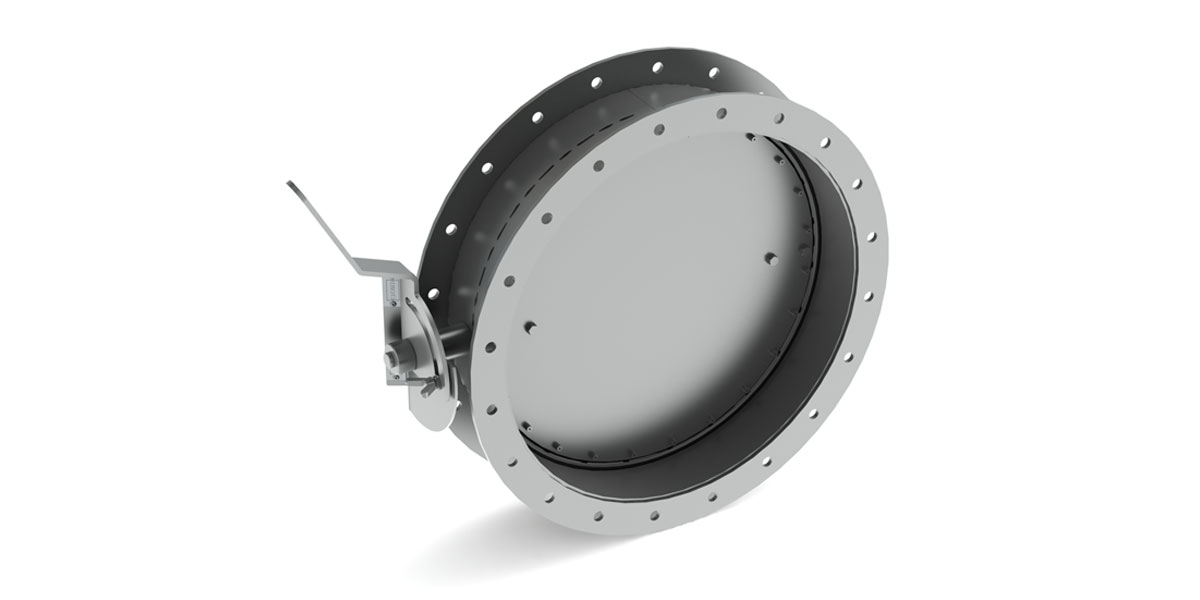
Industrial Butterfly Dampers: Efficient Flow Control for Industries
Explore More
- Sep 18, 2026
- SUDE
- 10