
Industrial Butterfly Dampers: Efficient Flow Control for Industries
- Damper
- Sep 30, 2026
- 15 Views
Industrial Butterfly Dampers: Efficient Flow Control for Industries
Industrial flow-control systems require reliable equipment that can regulate, isolate, and manage the movement of air, gases, fumes, and other process media. In many industrial facilities, damper systems play an important role in maintaining controlled airflow and improving overall process efficiency. Among the available options, Industrial Butterfly Dampers are widely used because of their simple construction, compact design, and ability to provide effective flow regulation. They are commonly integrated into ventilation systems, exhaust networks, air-handling equipment, combustion systems, and industrial process lines.
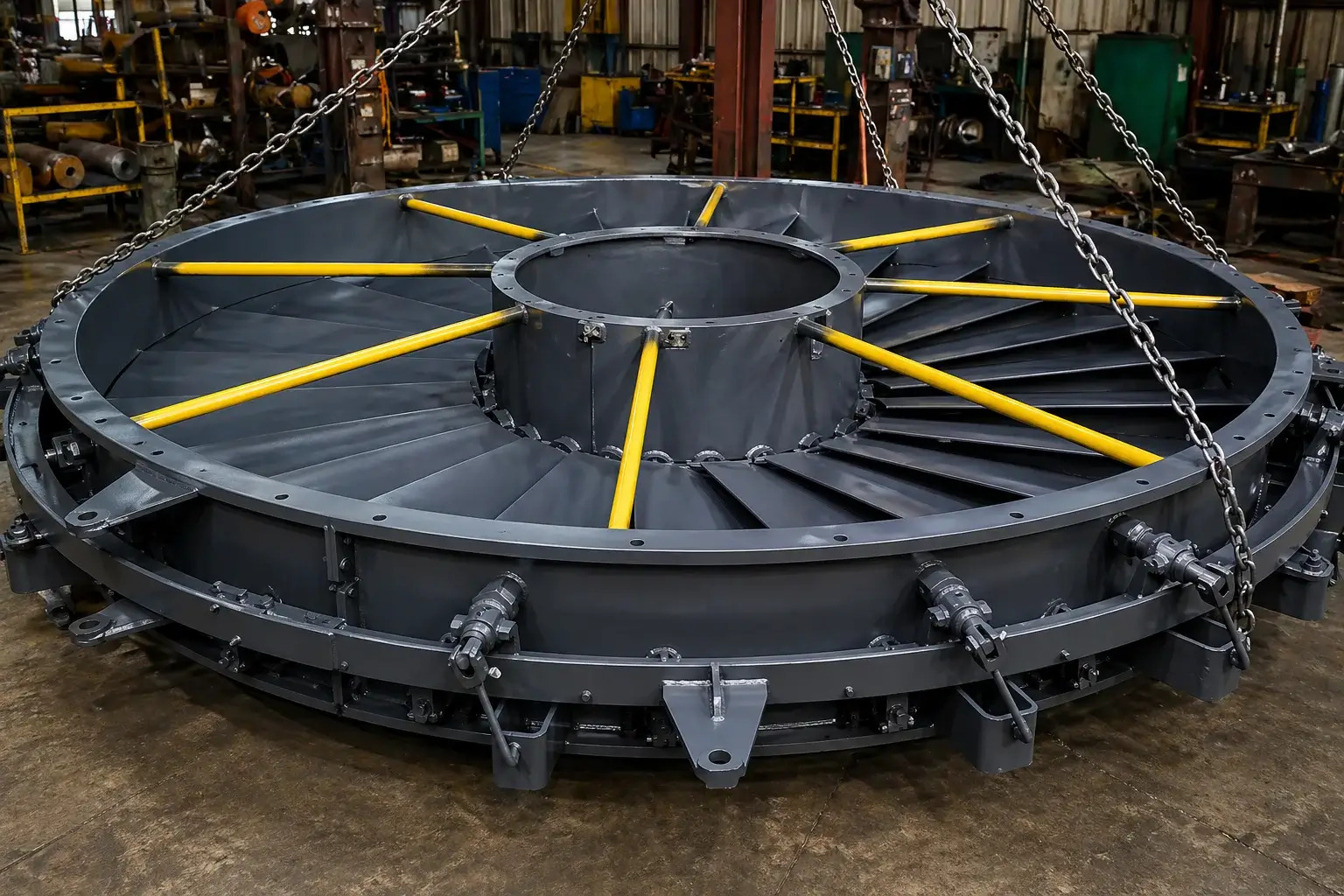
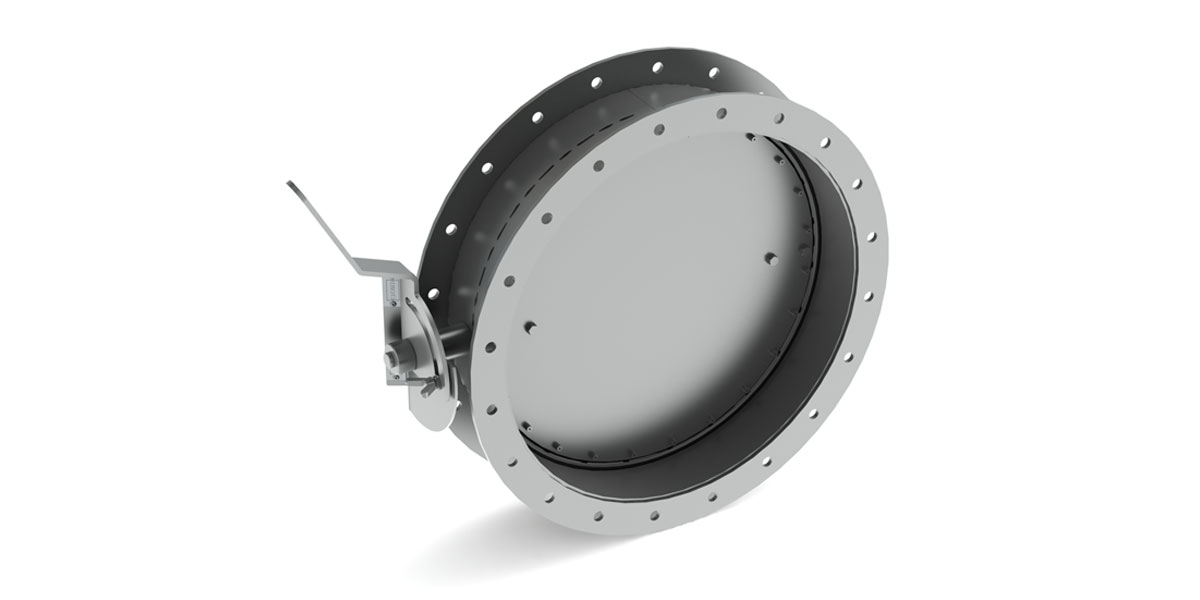
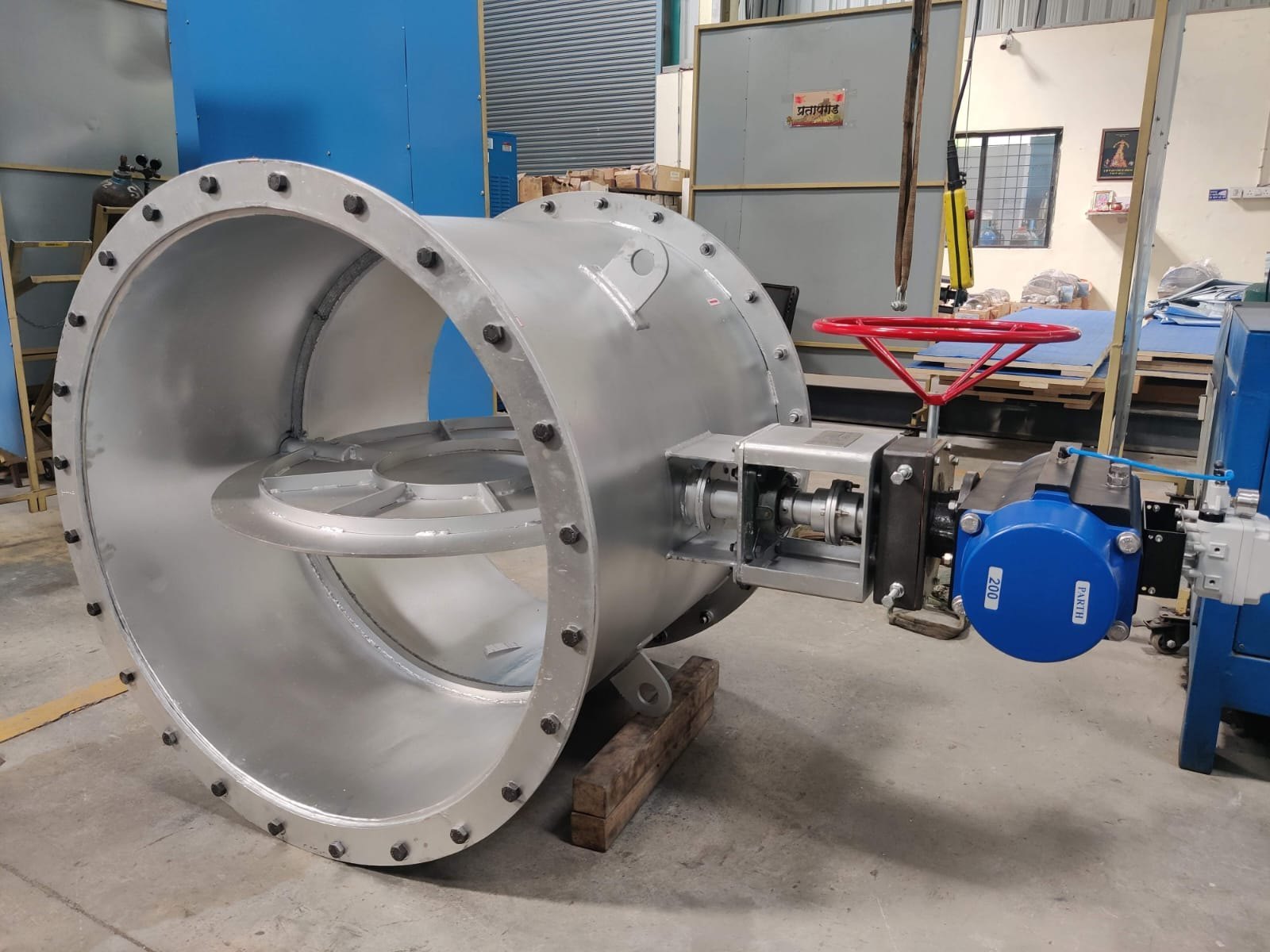
A butterfly damper generally consists of a circular or rectangular body, a rotating disc or blade, a shaft, and an operating mechanism. By rotating the disc around its shaft, the damper can control the amount of medium passing through the system. Depending on the application, operation can be manual, pneumatic, electric, or automated. Proper selection of the damper is important because operating temperature, pressure, medium characteristics, installation conditions, and required control accuracy can vary significantly between industries.
What Are Industrial Butterfly Dampers?
Industrial Butterfly Dampers are flow-control devices designed to regulate or shut off the movement of air, gases, fumes, and similar media in industrial systems. Their primary operating component is a disc mounted on a shaft. When the disc is aligned with the flow path, the passage is largely open and allows the medium to move through the system. As the disc rotates, it gradually restricts the opening, reducing the flow.
The straightforward design makes butterfly dampers suitable for applications where space, operating efficiency, and maintenance requirements are important considerations. They can be manufactured using different metals and sealing materials to accommodate various environmental conditions. Depending on the design, they may be used for simple isolation or for applications requiring controlled modulation.
These dampers can also be connected with actuators and control systems. Automated operation allows the damper position to be adjusted according to process requirements, temperature readings, pressure conditions, or signals from an industrial control system. This makes them useful components in modern automated facilities.
How Does a Butterfly Damper Work?
The operating principle of a butterfly damper is relatively simple. A disc is positioned inside the damper body and connected to a central shaft. When the damper is fully open, the disc rotates into a position that creates a large passage for the flowing medium. When the disc turns toward the closed position, it blocks a greater portion of the passage and restricts movement.
The shaft transfers rotational movement from the operating mechanism to the disc. Manual handles or gear operators may be sufficient for smaller or less frequently adjusted systems. For larger installations, pneumatic or electric actuators can provide automated movement. These actuators can be controlled remotely and integrated with sensors and industrial control platforms.
The design can also influence pressure loss, leakage, response time, and service life. Therefore, the correct disc profile, shaft arrangement, sealing system, and material selection should be considered before installation. A properly engineered damper can provide dependable operation while helping the overall system maintain the desired airflow or gas-flow conditions.
Key Components of Butterfly Dampers
Although butterfly dampers have a relatively uncomplicated structure, each component contributes to their overall performance. Understanding these components helps engineers and maintenance teams select suitable equipment for their applications.
1. Damper Body
The body provides the main structural enclosure and creates the passage through which the medium flows. It is commonly manufactured from materials such as carbon steel, stainless steel, or other alloys depending on operating conditions.
2. Disc or Blade
The disc is the primary flow-control element. Its rotation determines whether the damper is open, partially open, or closed. Disc design can affect flow characteristics and pressure drop.
3. Shaft
The shaft connects the disc to the operating mechanism. It transfers rotational movement and must be strong enough to handle the required operating torque.
4. Sealing System
Seals help reduce unwanted leakage when the damper is closed. The appropriate seal material depends on temperature, pressure, chemical exposure, and the characteristics of the process medium.
5. Actuator or Operator
The operator controls damper movement. It may be a manual lever, gearbox, pneumatic actuator, electric actuator, or another automated mechanism.
Types of Industrial Butterfly Dampers
Different industries require different damper configurations. Selecting the right type depends on the application, flow conditions, temperature, pressure, and control requirements.
Damper Type | Main Feature | Common Application |
|---|---|---|
Manual Butterfly Damper | Hand-operated | Basic ventilation and isolation |
Electric Butterfly Damper | Motorized operation | Automated industrial systems |
Pneumatic Butterfly Damper | Air-powered operation | Fast process control |
High-Temperature Damper | Heat-resistant construction | Furnaces and hot gas systems |
Heavy-Duty Damper | Reinforced construction | Industrial processing plants |
Modulating Damper | Variable positioning | Precise airflow control |
Isolation Damper | Designed for shutoff | Equipment and duct isolation |
Manual models are useful when frequent automatic adjustment is not necessary. Electric versions are valuable where remote operation and integration with automation systems are required. Pneumatic models can offer quick actuation and are frequently considered for industrial environments where compressed air is readily available.
Materials Used in Butterfly Dampers
Material selection has a direct influence on damper durability and operating performance. Industrial systems can expose components to high temperatures, corrosive gases, moisture, abrasive particles, and pressure variations. For this reason, the material should be selected according to the actual operating environment.
Carbon steel is commonly used for general industrial applications where the operating conditions are moderate. Stainless steel may be preferred when corrosion resistance is important. Special alloys can be considered for demanding environments involving high temperatures or aggressive process media.
Seal materials also require careful selection. Different elastomers, metallic sealing arrangements, and high-temperature materials may be used depending on the application. In high-temperature exhaust or furnace systems, standard sealing materials may not be suitable. Engineers should therefore evaluate temperature ratings and chemical compatibility before choosing a configuration.
Advantages of Industrial Butterfly Dampers
One of the major advantages of Industrial Butterfly Dampers is their compact construction. Compared with some other flow-control equipment, butterfly designs can require relatively little installation space. This can be particularly beneficial in facilities where ductwork and equipment are installed within restricted areas.
Another advantage is their relatively simple operating mechanism. Fewer moving components can make inspection and maintenance more straightforward when the damper is correctly designed and installed. Automated versions can also be connected to electric or pneumatic actuators for remote operation.
Additional benefits include:
Compact and space-saving construction
Suitable for airflow and gas-flow control
Available in manual and automated configurations
Different materials for different environments
Suitable for isolation and modulation applications
Can be integrated with industrial control systems
Relatively straightforward maintenance
Available in multiple sizes and configurations
Useful for ventilation and exhaust systems
The actual benefits depend on the damper design and operating conditions. A damper should always be selected based on the requirements of the complete system rather than simply its nominal size.
Industrial Applications
Industrial Butterfly Dampers are used across numerous sectors because controlled airflow and gas movement are essential to many manufacturing and processing operations. They can be installed in ventilation networks, exhaust ducts, air-handling systems, combustion equipment, and industrial process systems.
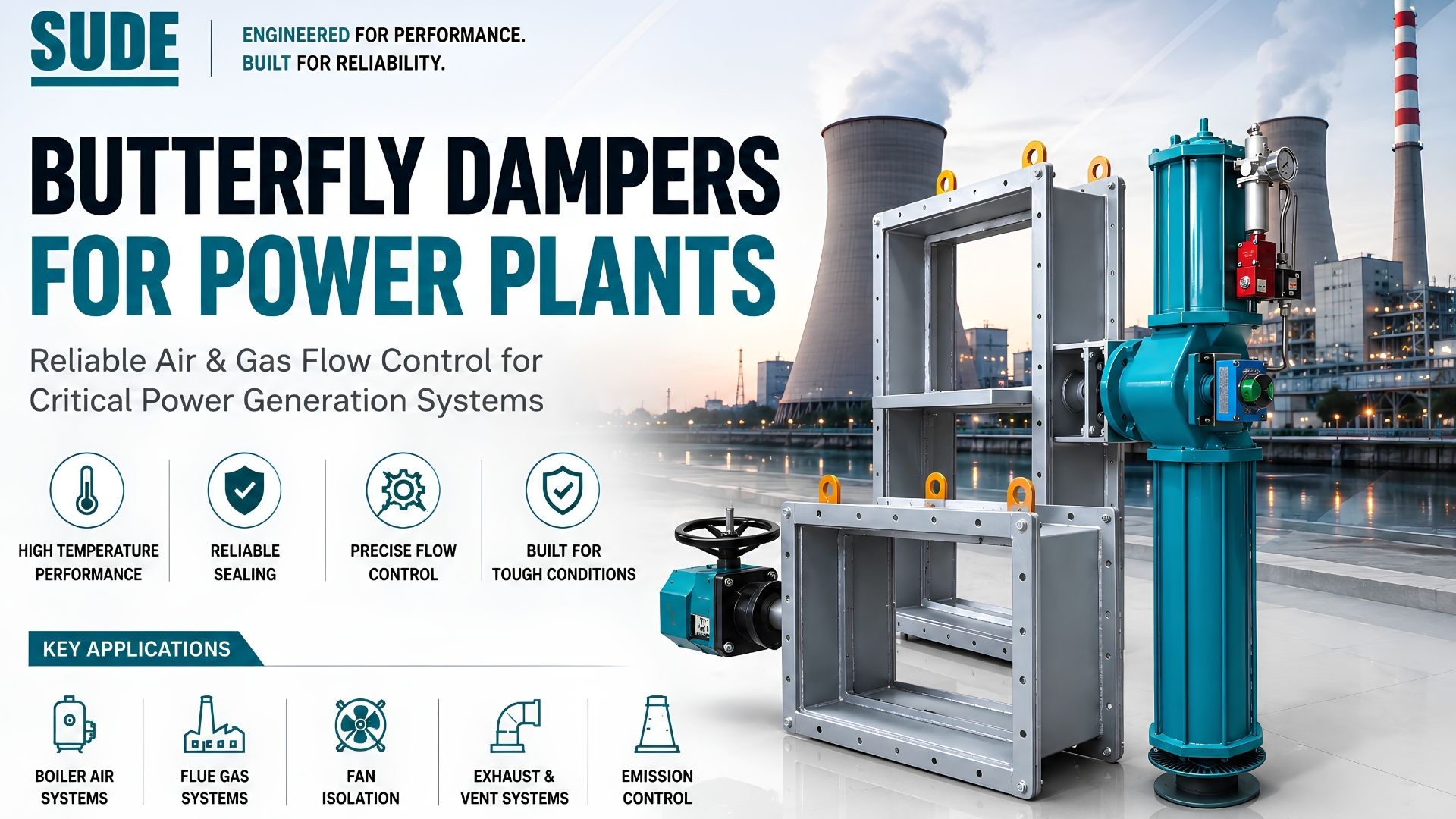
In power and energy facilities, dampers can assist with controlling combustion air, exhaust gases, and ventilation. Manufacturing plants may use them in dust collection and process exhaust systems. Chemical and petrochemical facilities can use specialized damper configurations where corrosion resistance and controlled gas movement are required.
They can also be found in cement plants, steel facilities, food-processing plants, pharmaceutical manufacturing, HVAC systems, waste-treatment facilities, and other industrial environments. In each case, the operating requirements can be different. Temperature, pressure, particulate concentration, corrosive conditions, and required leakage performance should all be considered when selecting the equipment.
Role in Industrial Automation
Modern industrial plants increasingly depend on automation to improve consistency and reduce manual intervention. Butterfly dampers can become part of this automated environment when equipped with suitable actuators and position-control systems.
An electric actuator can receive commands from a programmable logic controller or building-management system and adjust the damper according to operating requirements. Position feedback can provide information about whether the damper is open, partially open, or closed.
Pneumatic actuators can also be used where compressed-air infrastructure is available. They may provide rapid movement and can be configured for different control strategies. By combining a suitable damper with an appropriate actuator and control system, industries can improve process coordination and manage airflow more effectively.
Automation is particularly useful in systems where damper positions need to change frequently or where operators need to control equipment from a central control room.
Factors to Consider When Selecting a Damper
Choosing the correct damper requires more than matching the pipe or duct diameter. Engineers should consider the complete operating environment and the desired function.
Important factors include:
Medium: Determine whether the damper will handle air, gas, fumes, dust, or another medium.
Temperature: Select materials and seals that can withstand the expected temperature range.
Pressure: Consider normal and maximum system pressure.
Size: Match the damper dimensions with the duct or pipeline.
Flow Requirement: Determine whether the damper is intended for isolation or modulation.
Actuation: Decide between manual, electric, pneumatic, or automated operation.
Corrosion: Evaluate exposure to moisture or aggressive chemicals.
Leakage Requirement: Select an appropriate sealing arrangement.
Maintenance: Consider accessibility and expected service conditions.
Installation: Check available space and mounting requirements.
A detailed evaluation of these parameters can reduce the possibility of premature component failure and help achieve more stable system performance.
Maintenance and Inspection
Regular maintenance can extend equipment life and help identify problems before they affect the complete process. Inspection schedules should be based on operating conditions, manufacturer recommendations, and the criticality of the application.
During routine inspection, operators can check the damper body, shaft, disc, seals, bearings, and actuator. Unusual vibration, excessive operating torque, incomplete movement, or visible corrosion may indicate that further investigation is required.
For automated dampers, actuator operation and position feedback should also be checked. Electrical connections should remain secure, while pneumatic systems should be inspected for leaks and adequate air pressure.
Cleaning may be necessary in applications where dust, ash, or other deposits accumulate around the disc or body. Excessive buildup can interfere with movement and change the flow characteristics. Maintenance should always follow appropriate plant safety procedures and isolation requirements.
Butterfly Dampers vs. Other Flow-Control Devices
Butterfly dampers are not suitable for every application, so comparison with alternative devices is important. Depending on the medium and process requirements, industries may also use louver dampers, slide gates, control valves, or other isolation devices.
Butterfly designs are often selected when compact construction and rotational operation are advantageous. Slide gates may be preferred for certain applications involving solids or particulate materials. Control valves may be more suitable when precise liquid or gas-flow control is required under specific process conditions.
The correct choice depends on system design rather than a single universal solution. Engineers should evaluate pressure drop, temperature, leakage, flow characteristics, operating frequency, actuator requirements, and maintenance conditions before making a selection.
Improving System Efficiency
Properly selected Industrial Butterfly Dampers can contribute to better system management by helping control airflow and reduce unnecessary movement of process media. However, damper efficiency depends on correct sizing, installation, operation, and maintenance.
An oversized damper may provide inadequate control resolution, while an undersized unit can create unnecessary pressure losses. The disc and sealing arrangement should also be appropriate for the medium and operating environment.
Automation can further improve operational efficiency by allowing damper positions to respond to real-time process requirements. Instead of relying entirely on manual adjustments, automated systems can coordinate damper movement with fans, pumps, burners, filters, sensors, and other equipment.
This approach can help facilities maintain more consistent operating conditions while reducing unnecessary manual intervention.
Safety Considerations
Safety is an important consideration when installing and operating industrial dampers. A damper installed in a high-temperature, high-pressure, or hazardous process should be selected according to the applicable engineering and safety requirements.
Operators should understand whether a damper is intended for isolation, regulation, emergency shutdown, or another specific function. The actuator and control system should also be compatible with the required safety strategy.
Before maintenance, the associated system should be properly isolated according to plant procedures. Workers should not assume that closing a damper alone makes an industrial system safe. Pressure, temperature, stored energy, and process hazards must be addressed through the facility's established lockout, isolation, and permit procedures.
Conclusion
Industrial Butterfly Dampers provide a practical method for controlling and isolating airflow and gases across a wide range of industrial applications. Their compact structure, rotational operating principle, flexible actuation options, and availability in different materials make them useful for ventilation, exhaust, combustion, air-handling, and process-control systems.
Successful damper selection depends on understanding the operating medium, temperature, pressure, flow requirements, leakage expectations, installation conditions, and automation needs. Regular inspection and appropriate maintenance can further support reliable operation and extend service life.
Related Posts
- Sep 18, 2026
- SUDE
- 10