

Industrial Flow Control Equipment: Types, Uses, and Benefits
- Actuators
- Oct 12, 2026
- 14 Views
Industrial Flow Control Equipment: Types, Uses, and Benefits
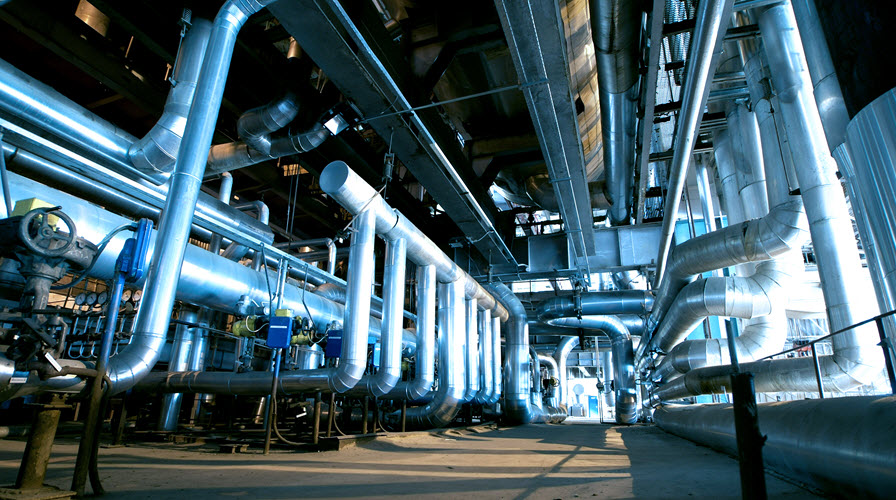
Industrial processes depend on the accurate movement of liquids, gases, steam, and other materials through pipelines and specialized systems. From manufacturing plants and water treatment facilities to chemical processing units and power generation stations, controlling the movement of fluids is essential for safe and efficient operations. Proper flow management helps maintain pressure, regulate temperature, prevent leakage, and ensure that equipment operates according to process requirements. Different industries use specialized valves, actuators, dampers, regulators, and monitoring instruments to achieve these objectives.
Industrial Flow Control Equipment plays an important role in maintaining operational stability and improving the reliability of industrial systems. Selecting the right equipment can reduce energy consumption, minimize unplanned downtime, and support consistent product quality. As industrial automation continues to advance, modern flow control solutions are becoming more precise, durable, and adaptable. Understanding the available equipment types, their applications, and their selection criteria helps businesses make informed decisions for both new installations and existing industrial facilities.
What Is Industrial Flow Control Equipment?
Industrial flow control equipment refers to mechanical, electrical, and automated devices designed to manage the movement, direction, pressure, and quantity of fluids or gases within an industrial process. These devices allow operators to adjust flow rates, isolate pipelines, maintain pressure levels, and prevent unwanted backflow. Depending on the application, equipment may operate manually, pneumatically, hydraulically, or electrically.
Flow control systems are used wherever consistent process conditions are necessary. For example, a water treatment plant requires valves to regulate water distribution, while a chemical processing facility needs specialized components that can withstand corrosive substances and demanding temperatures. Steam systems require pressure-resistant equipment, whereas ventilation systems may use dampers to regulate airflow through ducts.
The selection of appropriate components depends on operating pressure, temperature, fluid characteristics, flow requirements, and safety standards. When properly specified and installed, these devices contribute to dependable performance, better process control, and improved equipment service life.
Major Types of Industrial Flow Control Equipment
Industrial flow control systems contain several components, each designed to perform a particular function. Understanding their differences helps engineers and maintenance teams identify the most appropriate solutions for specific applications.
1. Industrial Valves
Valves are among the most widely used components in industrial flow management. They regulate, direct, stop, or release fluids moving through pipelines. Different valve designs provide different levels of control depending on the process requirements.
Common valve types include:
Ball valves: Provide quick shutoff and reliable sealing for many liquid and gas applications.
Butterfly valves: Offer compact construction and are suitable for controlling flow in large pipelines.
Gate valves: Primarily used to isolate flow rather than provide precise throttling.
Globe valves: Suitable for applications requiring controlled adjustment of flow.
Check valves: Prevent reverse flow and help protect pumps and other equipment.
Pressure relief valves: Release excess pressure when operating conditions exceed specified limits.
Valve materials, sealing arrangements, pressure ratings, and connection types must match the application. Choosing a suitable valve improves reliability and helps reduce leakage, maintenance requirements, and unnecessary process interruptions.
2. Industrial Actuators
Actuators provide the mechanical movement required to operate valves, dampers, and other control mechanisms. They can be powered by electricity, compressed air, or hydraulic pressure. Their main purpose is to convert an energy source into controlled movement.
Electric actuators are commonly used in automated installations because they can be integrated with control panels, programmable logic controllers, and building or plant management systems. Pneumatic actuators are often preferred where fast operation and straightforward mechanical construction are important. Hydraulic actuators can deliver high force for demanding applications.
Actuator selection depends on required torque, operating speed, duty cycle, control accuracy, and environmental conditions. In automated plants, feedback devices can communicate valve position to the control system, allowing operators to monitor equipment remotely and respond quickly when process conditions change.
3. Flow Meters and Sensors
Flow meters measure the quantity of liquid, gas, or steam moving through a pipeline. Their readings help operators monitor production, track consumption, identify unusual operating conditions, and improve process efficiency. Depending on the technology, flow measurement may be based on differential pressure, electromagnetic principles, ultrasonic signals, or mechanical movement.
Sensors can also measure pressure, temperature, fluid level, and other operating variables. These measurements provide essential information for automated control systems. For example, a flow meter can detect whether a cooling water circuit is receiving the required flow, while a pressure sensor can identify an unexpected pressure drop.
Accurate measurement depends on correct installation, appropriate instrument sizing, calibration, and compatibility with the process fluid. Integrating reliable instruments with control equipment helps businesses maintain stable operations and make decisions using real-time process information.
4. Pressure Regulators and Control Devices
Pressure regulators maintain a desired downstream pressure despite changes in upstream pressure or flow demand. They are important in compressed air networks, gas distribution systems, steam installations, and industrial processing equipment.
Control valves serve a related but distinct purpose by adjusting flow in response to a control signal. A control system may continuously adjust valve position to maintain a target pressure, temperature, flow rate, or liquid level. The appropriate device depends on the process variable that must be controlled.
Proper sizing is essential because an incorrectly selected regulator or control valve can create excessive pressure loss, unstable operation, noise, or poor control performance. Engineers should evaluate operating conditions across the expected range rather than selecting components solely on the basis of pipeline diameter.
Key Components and Their Functions
A complete flow management system often combines several devices to achieve reliable process performance. Each component contributes to a specific operating objective, and the overall system depends on their correct integration.
Equipment Type | Primary Function | Common Application |
|---|---|---|
Ball valve | On-off flow isolation | Water and gas pipelines |
Butterfly valve | Flow regulation and isolation | Water distribution and HVAC |
Globe valve | Flow throttling | Steam and process systems |
Check valve | Prevents reverse flow | Pumping installations |
Electric actuator | Automated mechanical operation | Industrial automation |
Flow meter | Measures flow rate | Manufacturing and water treatment |
Pressure regulator | Maintains downstream pressure | Gas and compressed air systems |
Control valve | Adjusts process flow | Chemical and power plants |
Industrial damper | Controls airflow | Ventilation and combustion systems |
The equipment listed above can be used independently or integrated into a coordinated control arrangement. The correct combination depends on process objectives, system layout, operating conditions, and the level of automation required.
Applications Across Different Industries
Water and Wastewater Treatment
Water treatment facilities require accurate control over the movement of raw water, treated water, chemicals, and wastewater. Valves help isolate pipelines during maintenance, while actuators allow operators to control equipment remotely. Flow meters measure distribution rates and help identify abnormal consumption or process variations.
Wastewater systems may contain suspended solids, corrosive substances, and abrasive materials. Therefore, equipment selection must consider fluid composition, the likelihood of blockage, and the required maintenance frequency. Suitable materials and valve designs can improve service life while reducing unexpected failures.
Reliable flow management also supports filtration, disinfection, pumping, and storage operations. By coordinating valves, instruments, and automated controls, treatment facilities can maintain more consistent performance and respond efficiently to changing demand.
Oil, Gas, and Petrochemical Industries
Oil, gas, and petrochemical facilities operate under demanding conditions that may involve high pressures, elevated temperatures, combustible gases, and chemically aggressive substances. Flow control components must be selected according to the process medium, pressure rating, material compatibility, and applicable safety requirements.
Pipeline isolation valves help operators separate sections of a system during maintenance or emergencies. Control valves regulate process conditions, while pressure protection devices help manage abnormal pressure situations. Automated actuators can support remote operation in locations where manual access is difficult.
Reliability is especially important in these industries because equipment failure can result in costly production interruptions and significant safety or environmental risks. Regular inspection, appropriate testing, and adherence to applicable engineering standards are essential parts of effective flow control management.
Power Generation
Power plants depend on controlled flow in steam circuits, cooling water systems, fuel supply lines, and auxiliary equipment. Valves and regulators help maintain pressure and flow within specified operating ranges, while instruments provide data for monitoring system performance.
Steam applications require components designed for the relevant pressure and temperature conditions. Cooling water circuits may require corrosion-resistant materials, while fuel systems demand equipment appropriate for the specific fuel and associated hazards.
Accurate flow management supports stable power generation, reduces unnecessary energy losses, and helps protect connected machinery. Preventive maintenance is particularly valuable because the failure of a critical valve or actuator can affect the availability of an entire generating unit.
Manufacturing and Chemical Processing
Manufacturing facilities use flow control systems to deliver raw materials, cooling fluids, compressed air, lubricants, and process chemicals. Consistent flow conditions help maintain product quality and reduce variations between production batches.
Chemical processing facilities must pay special attention to material compatibility, sealing performance, and temperature resistance. A component that performs well with clean water may not be suitable for corrosive chemicals or viscous fluids. Engineers should evaluate the actual process medium before selecting equipment.
Automated controls can adjust operating conditions as production requirements change. This flexibility helps manufacturers improve repeatability, minimize manual intervention, and maintain more predictable production schedules.
HVAC and Industrial Ventilation
Heating, ventilation, and air conditioning systems rely on dampers, valves, actuators, and sensors to manage airflow and water circulation. Dampers regulate air movement through ducts, while control valves adjust chilled water or hot water flow in heating and cooling circuits.
Automated dampers can respond to temperature, pressure, occupancy, or ventilation requirements when integrated with suitable control systems. This helps maintain indoor environmental conditions and can reduce unnecessary energy consumption.
In industrial facilities, ventilation equipment also supports air distribution and certain process exhaust functions. The selected components must meet the requirements of the environment, including airflow volume, temperature, humidity, and exposure to dust or corrosive substances.
Benefits of Industrial Flow Control Equipment
Properly selected and maintained flow control systems provide operational, financial, and safety advantages. Their value extends beyond simply opening or closing a pipeline because they help maintain the conditions required for reliable industrial production.
Improved Process Efficiency
Accurate flow regulation helps maintain appropriate operating conditions and reduces unnecessary variations. When fluids and gases are delivered at the required rates, connected equipment can operate more consistently. Automated control also reduces the need for repeated manual adjustments.
Reduced Energy Consumption
Poorly controlled flow can lead to unnecessary pumping, excessive pressure losses, and inefficient equipment operation. Proper valve sizing and system design can reduce these losses. In some applications, variable control and improved monitoring allow operators to match energy use more closely to actual demand.
Better Equipment Protection
Check valves, pressure regulators, and suitable isolation devices help protect pumps, pipelines, and connected machinery from certain operating problems. However, each protective function must be correctly engineered; no single device can eliminate every possible failure mode.
Lower Maintenance Costs
Reliable equipment and preventive maintenance can reduce unplanned shutdowns, emergency repairs, and replacement expenses. Monitoring valve performance, actuator movement, leakage, and instrument accuracy helps maintenance teams identify developing problems before they significantly affect production.
Increased Automation
Automated valves and actuators can be connected to supervisory control and data acquisition systems, distributed control systems, and programmable logic controllers. This integration supports remote operation, process monitoring, alarm management, and more consistent control.
How to Select the Right Flow Control Equipment
Choosing suitable components requires a systematic evaluation of process conditions and operational objectives. A device that is appropriate for one installation may perform poorly in another if pressure, temperature, fluid properties, or control requirements differ.
Before purchasing equipment, consider the following factors:
Fluid characteristics: Identify whether the medium is water, oil, gas, steam, slurry, or a corrosive chemical.
Operating pressure: Confirm normal, minimum, maximum, and possible transient pressure conditions.
Temperature range: Select materials and seals suitable for the expected operating temperatures.
Required flow rate: Determine the minimum, normal, and maximum flow requirements.
Material compatibility: Check resistance to corrosion, erosion, and chemical degradation.
Control method: Decide whether manual, electric, pneumatic, or hydraulic operation is appropriate.
Installation requirements: Consider pipeline dimensions, available space, connection types, and maintenance access.
Safety and compliance: Review applicable industry standards, certification requirements, and site-specific safety procedures.
Lifecycle cost: Evaluate purchase price, installation, energy consumption, spare parts, and maintenance needs.
Consulting qualified engineers and equipment manufacturers can help ensure that components are correctly sized and suited to the intended application.
The Role of Automation in Modern Flow Management
Industrial automation is changing the way facilities monitor and control fluid movement. Modern control systems combine valves, actuators, sensors, communication networks, and software to provide more accurate and responsive operation.
For example, a pressure sensor can transmit measurements to a programmable logic controller, which compares the readings with a target value. The controller can then adjust a control valve to bring pressure closer to the desired range. Similar arrangements can regulate flow, temperature, and tank levels, depending on the system design.
Digital monitoring can also support predictive maintenance by identifying changes in actuator travel time, operating cycles, pressure behavior, or leakage indicators. These signals may help maintenance teams investigate problems before they cause significant downtime.
However, automation does not replace sound engineering or routine inspection. Communication failures, incorrect control settings, and sensor inaccuracies can affect performance. Appropriate commissioning, cybersecurity measures, backup procedures, and staff training remain important for safe and dependable operation.
Maintenance Practices for Long-Term Reliability
Regular maintenance helps industrial equipment operate safely and consistently throughout its service life. Maintenance requirements differ according to equipment type, operating environment, manufacturer recommendations, and the consequences of failure.
A structured maintenance program should include routine inspections, functional testing, calibration where applicable, and documentation of identified problems. Valves should be checked for external leakage, corrosion, unusual vibration, and operating difficulties. Actuators may require inspection of electrical connections, mechanical linkages, seals, and feedback devices.
Flow meters and pressure instruments should be verified according to their accuracy requirements and service conditions. Components exposed to abrasive or corrosive media may require more frequent inspection than those operating in clean, stable environments.
Recommended maintenance practices include:
Inspect critical equipment at defined intervals.
Test valve movement and actuator response under approved procedures.
Calibrate instruments according to manufacturer guidance and process requirements.
Replace damaged seals and worn components with suitable parts.
Keep maintenance records, including failures, repairs, and performance observations.
Follow isolation and lockout procedures before performing maintenance.
A risk-based maintenance strategy allows facilities to prioritize critical equipment and use maintenance resources more effectively.
Common Challenges in Flow Control Systems
Even well-designed industrial installations can experience operational problems. Common challenges include incorrect equipment sizing, material incompatibility, leakage, pressure fluctuations, instrument errors, and actuator malfunction.
An oversized control valve may operate near its closed position for much of the time, making stable control difficult in some applications. An undersized valve may fail to deliver the required flow. Similarly, incorrect material selection can cause premature corrosion, while unsuitable seals may deteriorate when exposed to high temperatures or aggressive chemicals.
Poor installation practices can also affect performance. Incorrect flow-meter positioning, inadequate support, improper alignment, or insufficient commissioning may result in inaccurate readings and unnecessary equipment wear.
Future Trends in Industrial Flow Control
The future of industrial flow management will increasingly involve connected devices, smarter instrumentation, improved diagnostics, and more energy-conscious system design. Digital communication allows equipment to share operating data with centralized control platforms, making it easier to monitor performance across large facilities.
Condition monitoring and data analysis can help identify unusual operating patterns and support maintenance planning. More efficient actuators and improved control strategies may also reduce unnecessary energy use in suitable applications. In addition, manufacturers continue to develop equipment designed for demanding environments and specialized industrial processes.
Another important trend is the integration of flow management with broader sustainability objectives. Better measurement can help organizations understand water consumption, compressed air losses, energy use, and process waste. These insights support targeted improvements rather than relying only on general efficiency measures.
Conclusion
Industrial flow management is essential for maintaining safe, efficient, and reliable operations across manufacturing, water treatment, power generation, chemical processing, oil and gas, and HVAC applications. Valves, actuators, flow meters, pressure regulators, dampers, and sensors each contribute to controlling the movement and condition of fluids or gases.
Selecting appropriate Industrial Flow Control Equipment requires careful consideration of pressure, temperature, flow rate, fluid characteristics, material compatibility, automation needs, and safety requirements. Proper installation, commissioning, and preventive maintenance are equally important for achieving dependable performance.
Related Posts
- Sep 15, 2026
- SUDE
- 10