
Custom Industrial Dampers for Industrial Airflow Control
- Damper
- Oct 19, 2026
- 8 Views
Custom Industrial Dampers for Industrial Airflow Control
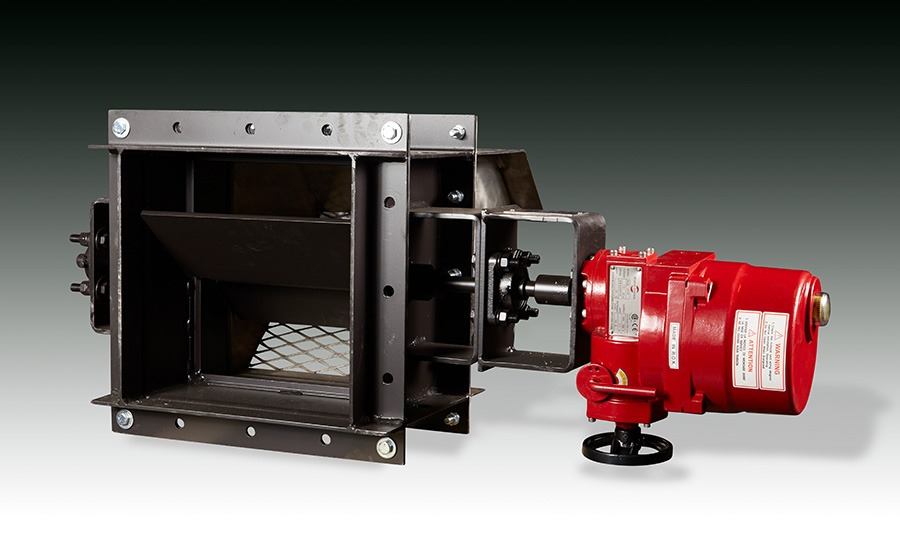
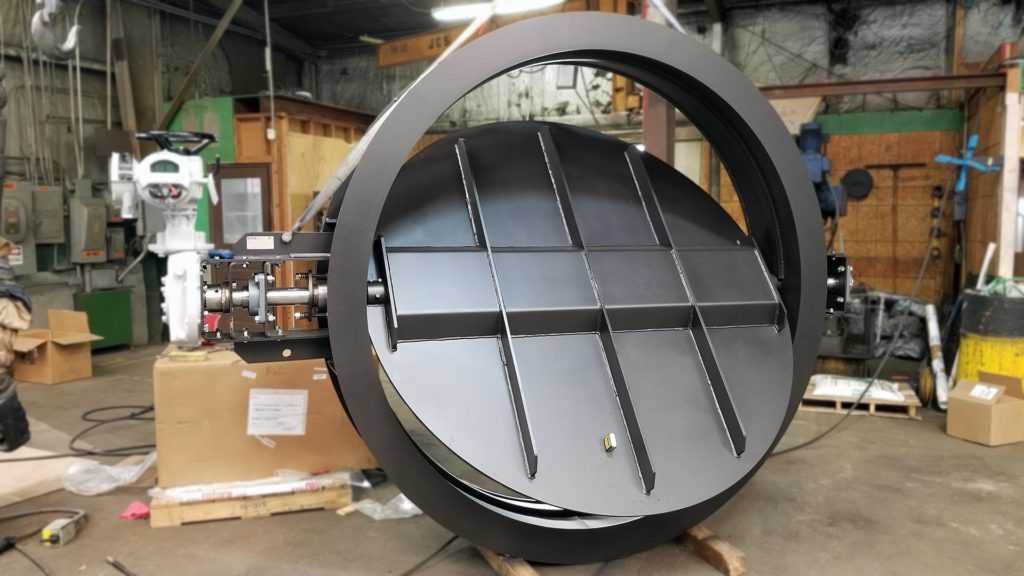
Industrial facilities depend on effective airflow management to maintain safe working conditions, improve equipment performance, and support efficient production. From manufacturing plants and power stations to commercial buildings and chemical processing facilities, controlling the movement of air and gases is essential for reliable operations. Standard dampers may not always meet the specific requirements of every industrial application, particularly when systems operate under high temperatures, high pressure, corrosive conditions, or restricted installation spaces. This is where specially engineered solutions become valuable. Custom Industrial Dampers are designed to meet particular operating requirements, including airflow volume, temperature limits, pressure differences, material compatibility, and installation dimensions. By selecting the appropriate design, industries can achieve more precise airflow regulation, reduce unnecessary energy consumption, and improve the reliability of ventilation and exhaust systems. A well-designed damper can also support operational safety and simplify maintenance throughout the equipment's service life.
What Are Industrial Dampers?
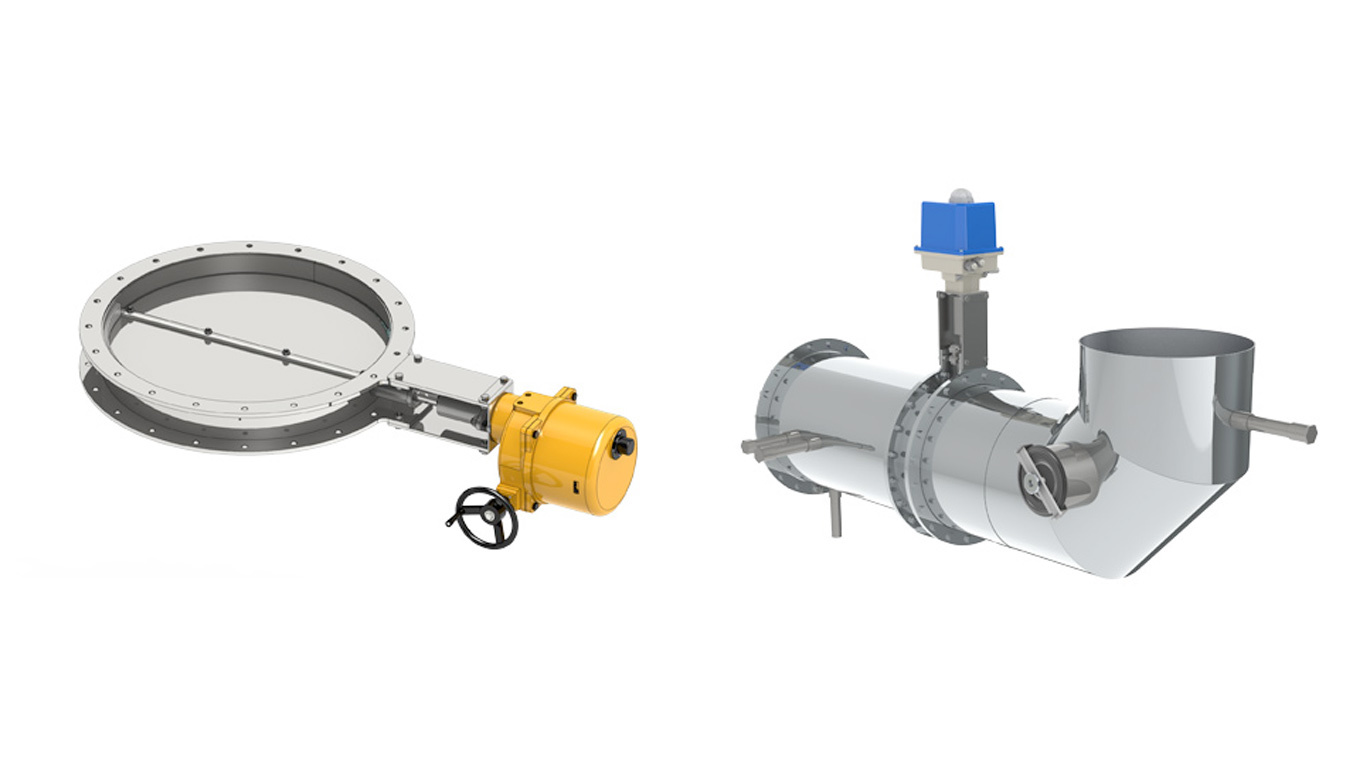
Industrial dampers are mechanical devices used to regulate, redirect, or stop the movement of air and gases through ducts, ventilation systems, exhaust lines, and industrial equipment. They typically contain one or more blades that rotate or move to control the opening of an airflow passage. Depending on the design, a damper may provide basic open-and-close functionality or allow precise adjustment of airflow rates. These devices are commonly installed in heating, ventilation, air conditioning, combustion air, dust collection, and process exhaust systems. Their construction varies according to operating conditions, with options ranging from lightweight sheet metal to heavy-duty stainless steel and other specialized alloys. Industrial dampers must be selected according to the required temperature range, pressure rating, leakage performance, and environmental exposure. Correct sizing and installation are equally important because an unsuitable damper can restrict airflow, increase system resistance, or fail under demanding operating conditions.
Why Custom Industrial Dampers Are Important
Every industrial facility has its own operating conditions, and a standard damper may not provide the necessary dimensions, sealing performance, material strength, or control characteristics. Custom Industrial Dampers address these challenges by allowing manufacturers to develop equipment around the actual requirements of a system. For example, a power generation facility may require dampers that withstand elevated temperatures, while a chemical processing plant may need corrosion-resistant construction. A dust collection system might require a specialized blade arrangement to handle particulate-laden air, whereas a ventilation network may prioritize low leakage and smooth airflow regulation. Customized designs can also accommodate unusual duct shapes, limited installation clearances, and specific actuator mounting arrangements. By matching the equipment to its intended application, businesses can improve system compatibility, minimize avoidable modifications, and support more dependable operation. The result is a practical airflow control solution that aligns with the facility's technical and operational goals.
Types of Custom Industrial Dampers
Different industrial processes require different damper configurations. The most suitable type depends on whether the main objective is airflow adjustment, complete isolation, temperature management, or protection against unwanted backflow. Understanding these options helps engineers select the correct equipment for each installation.
1. Volume Control Dampers
Volume control dampers regulate the quantity of air passing through a duct. They are commonly used in industrial ventilation, air distribution, and exhaust systems where airflow must be adjusted to meet changing operating requirements. Their blades can be positioned at different angles to increase or decrease the available passage. Depending on the application, they may be operated manually or equipped with electric or pneumatic actuators. Proper blade design and sizing help limit unnecessary pressure losses while maintaining effective control. These dampers are especially useful in facilities with multiple production areas, where each section requires a different volume of ventilation air. Engineers should consider duct velocity, pressure conditions, and the control range required when specifying a volume control damper. Accurate selection contributes to stable airflow and more efficient operation of the overall ventilation system.
2. Isolation Dampers
Isolation dampers are designed to separate sections of an industrial system by restricting or stopping the movement of air and gases. They are frequently used in process plants, power generation facilities, industrial furnaces, and exhaust networks where equipment needs to be isolated for inspection, maintenance, or operational changes. Depending on the application, an isolation damper may use single or multiple blades and may incorporate specialized sealing arrangements to reduce leakage. The required leakage class should be established according to the system's operating and safety needs, because not every damper provides a completely gas-tight seal. Material selection, shaft design, and actuator capacity also influence reliability. When properly specified, isolation dampers help simplify maintenance procedures, improve process separation, and reduce unwanted airflow between connected sections of an industrial installation.
3. High-Temperature Dampers
High-temperature dampers are engineered for systems exposed to elevated thermal conditions, including furnaces, kilns, incinerators, boilers, and hot-gas exhaust ducts. These environments can cause ordinary materials to expand, deform, or lose mechanical strength. High-temperature designs therefore require careful consideration of material properties, blade clearances, shaft arrangements, bearing protection, and thermal expansion. Depending on the service conditions, manufacturers may use heat-resistant steels, stainless steel grades, or specialized alloys. Insulation and external component protection may also be necessary where heat exposure is severe. The maximum operating temperature should always be specified alongside any short-duration peak temperature and the expected temperature cycling. Correctly engineered equipment can help maintain dependable airflow control under thermal stress while reducing the risk of premature wear, distortion, and unplanned maintenance.
4. Backdraft Dampers
Backdraft dampers help prevent air or gas from flowing in the unwanted direction through a duct or ventilation passage. They are often used in exhaust systems, industrial ventilation networks, and equipment where reverse airflow could interfere with normal operation. Some designs operate through gravity or pressure differences, while others use springs or actuators to control blade movement. The selection process should account for the available operating pressure, desired opening resistance, installation orientation, and expected flow rate. A damper that requires excessive pressure to open may reduce system performance, while an unsuitable closing arrangement may allow unwanted reverse flow. Backdraft dampers are useful for maintaining directional airflow, but their performance depends on correct sizing, installation, and compatibility with the surrounding system.
Common Materials Used in Industrial Damper Manufacturing
Material selection directly affects durability, operating temperature capability, corrosion resistance, and maintenance requirements. Industrial environments differ considerably, so the material should be selected according to the process conditions rather than cost alone.
Material | Key Characteristics | Common Applications |
|---|---|---|
Carbon steel | Strong, versatile, and economical | General industrial ventilation and exhaust |
Stainless steel | Good corrosion resistance and durability | Food processing, chemical facilities, and humid environments |
Galvanized steel | Protective zinc coating for suitable environments | General-purpose ventilation and ductwork |
Heat-resistant alloys | Designed for demanding thermal conditions | Furnaces, kilns, and hot-gas systems |
Aluminum | Lightweight and corrosion-resistant in suitable conditions | Selected low-temperature ventilation applications |
The operating environment should guide the final material choice. Factors such as moisture, acidic gases, abrasive particles, temperature fluctuations, and cleaning chemicals can significantly influence equipment life. Protective coatings may be appropriate for certain applications, but they must be compatible with the operating temperature and surrounding atmosphere. In corrosive or high-temperature environments, engineers should evaluate the material's long-term suitability before finalizing the specification. Manufacturers can also recommend different materials for the frame, blades, shafts, and fasteners when each component faces different mechanical or environmental stresses. This approach helps balance performance, durability, and overall equipment cost.
Key Benefits of Custom Industrial Dampers
A properly engineered damper can contribute to more consistent industrial performance by matching the control device to the actual requirements of the system. Instead of adapting a standard product to an unsuitable installation, businesses can specify the features needed for their processes.
The main benefits include:
Improved airflow control: Suitable blade geometry and actuator selection help regulate airflow according to process requirements.
Better system compatibility: Customized dimensions and mounting arrangements simplify integration with existing ductwork and equipment.
Greater durability: Appropriate materials and construction methods help the damper withstand operating stresses.
Reduced energy waste: Effective airflow management can help prevent unnecessary fan demand and excessive system resistance.
Enhanced operational safety: Isolation and shutoff arrangements can support safer maintenance and process control when properly designed.
Simplified maintenance: Accessible components and suitable actuator configurations can make inspection and servicing more practical.
Application flexibility: Designs can be adapted to different duct shapes, temperature conditions, and industrial environments.
These benefits depend on correct engineering, installation, and maintenance. Customization alone does not guarantee better performance; the final design must meet the relevant technical specifications and be tested or inspected as appropriate.
Industrial Applications of Custom Dampers
Manufacturing and Processing Plants
Manufacturing facilities often require controlled ventilation to remove heat, fumes, airborne particles, and other unwanted contaminants. Damper systems help direct airflow between production areas, extraction points, and exhaust equipment. In facilities with several production lines, different zones may require independent airflow adjustment to support changing production schedules. A customized design can accommodate existing duct dimensions, specialized mounting points, and the operating characteristics of extraction fans. Material selection is particularly important in facilities where dust, moisture, or chemical vapors are present. When properly integrated into the ventilation system, dampers help maintain the intended air distribution and support a more stable working environment.
Power Generation Facilities
Power plants use dampers in combustion air systems, flue-gas ducts, boiler installations, and other high-temperature applications. These systems can experience elevated temperatures, pressure variations, vibration, and demanding operating cycles. Damper performance therefore depends on robust construction, appropriate sealing, and reliable actuation. Engineers must consider the consequences of leakage, the required flow capacity, and the need to isolate equipment during planned shutdowns. Depending on the application, a damper may require heat-resistant materials, reinforced blades, or specialized shaft and bearing arrangements. Correctly selected equipment supports dependable process operation and helps maintenance teams manage airflow pathways during inspection and servicing.
Chemical and Petrochemical Industries
Chemical and petrochemical facilities may handle corrosive gases, process vapors, elevated temperatures, and potentially hazardous substances. Dampers used in these environments must be compatible with the chemical composition of the process stream and the expected operating conditions. Material compatibility, sealing requirements, actuator placement, and applicable safety standards should be reviewed before installation. In some applications, leakage control is particularly important because unwanted gas movement can affect process performance or create safety concerns. Custom-engineered dampers can be configured to suit specific duct arrangements and operating demands. However, the damper must be considered as part of the overall process safety system rather than as a standalone safety measure.
HVAC and Commercial Infrastructure
Large commercial buildings, hospitals, industrial campuses, and institutional facilities use dampers to control air distribution, ventilation, and exhaust. These installations may require equipment designed for unusual duct sizes, restricted spaces, or specific building management controls. Adjustable dampers help balance airflow between zones, while isolation and smoke-control dampers serve different purposes according to the building's design and applicable codes. It is important not to confuse ordinary airflow dampers with certified fire or smoke dampers, which must meet specific requirements for their intended protective function. Choosing the correct damper type helps maintain suitable indoor conditions and supports efficient operation of the building's mechanical systems.
Factors to Consider When Selecting an Industrial Damper
Choosing the right damper requires a clear understanding of the operating environment, performance targets, and installation requirements. A detailed specification helps manufacturers recommend an appropriate design and reduces the risk of costly modifications later.
Important selection factors include:
Operating temperature: Define normal, maximum, and short-duration peak temperatures.
Pressure conditions: Identify static pressure, differential pressure, and any pressure fluctuations.
Airflow requirements: Specify the required flow rate, duct velocity, and control range.
Material compatibility: Consider corrosion, moisture, dust, chemical exposure, and abrasion.
Leakage requirements: Establish the acceptable leakage level for control or isolation duties.
Damper dimensions: Confirm duct shape, opening dimensions, mounting arrangement, and available clearance.
Actuation method: Choose manual, electric, or pneumatic operation based on control needs.
Maintenance access: Ensure that bearings, shafts, seals, and actuators can be inspected and serviced.
Engineers should also review operating frequency, expected service life, available power supplies, and any relevant industry or site standards. For automated systems, control signals and fail-safe behavior may need to be defined in advance. A comprehensive specification gives the manufacturer a reliable basis for engineering and helps ensure that the selected product meets the intended operating requirements.
Manual, Electric, and Pneumatic Damper Operation
Industrial dampers can use several operating methods, each offering different advantages. Manual dampers are generally suitable for systems that require occasional adjustment and do not need remote control. They are often straightforward to install and maintain, although operators must have safe access to the adjustment mechanism. Electric actuators are useful when dampers need to be controlled remotely, integrated with a programmable logic controller, or coordinated with a building management system. Depending on the model, electric operation may provide position feedback and adjustable travel settings. Pneumatic actuators use compressed air and are commonly selected where plant infrastructure already supports pneumatic controls or where specific operating characteristics make them suitable. Selection should consider required torque, opening and closing speed, duty cycle, control accuracy, and environmental protection. The actuator must be properly matched to the damper's mechanical load under actual operating conditions.
Maintenance Practices for Long-Term Performance
Regular maintenance helps identify wear, contamination, misalignment, and actuator problems before they lead to operational disruption. The inspection schedule should reflect the damper's operating environment, service criticality, and manufacturer's recommendations. Equipment handling hot gases, abrasive particles, or corrosive substances may require more frequent attention than dampers operating in clean ventilation systems. During planned inspections, technicians should examine blades, frames, shafts, bearings, seals, linkages, and actuator connections. They should also check for excessive vibration, unusual noise, restricted movement, and visible material deterioration. Where automated control is used, functional testing can help confirm that the damper responds correctly to control signals. Any inspection or maintenance work must follow the facility's isolation procedures and relevant safety requirements.
Recommended maintenance activities include:
Inspecting blades and frames for deformation, cracks, and corrosion.
Checking bearings, shafts, and linkages for wear or binding.
Removing accumulated dust and deposits where safe and appropriate.
Testing actuator movement and position feedback.
Examining seals and verifying that leakage remains within specified limits.
Recording maintenance findings and arranging repairs when required.
Consistent maintenance supports reliability, reduces the likelihood of unexpected failures, and helps extend the useful service life of the equipment.
How Custom Industrial Dampers Support Energy Efficiency
Airflow control influences the energy required to operate industrial fans, blowers, and ventilation equipment. When dampers are correctly sized and configured, they can help maintain the airflow required by a process while avoiding unnecessary restrictions. However, throttling airflow with a damper can also increase pressure losses, so it is not always the most energy-efficient method of controlling a fan system. In applications with variable demand, engineers may evaluate variable-frequency drives, fan speed control, and system-level optimization alongside damper selection. The best solution depends on the fan characteristics, duct resistance, process requirements, and operating schedule. A well-designed damper can contribute to energy management when integrated into a properly engineered system. Regular inspection is also important because damaged blades, deposits, and mechanical misalignment can interfere with airflow and control performance.
The Importance of Quality Manufacturing and Testing
Manufacturing quality has a direct influence on damper performance, reliability, and service life. Important production considerations include dimensional accuracy, weld quality, material traceability where required, shaft alignment, blade movement, and actuator compatibility. Depending on the application's criticality, inspection may include dimensional checks, visual examination, functional testing, leakage testing, or other specified verification procedures. High-temperature or corrosive-service equipment may require additional design reviews and material checks. Documentation should clearly identify the intended operating conditions, installation requirements, and applicable performance limits. Buyers should ask manufacturers which tests are included and whether the results can be documented against the agreed specification. Quality assurance is particularly important when dampers form part of a critical process or must comply with project-specific engineering requirements. Proper manufacturing and verification help ensure that the delivered equipment performs as intended when installed and operated correctly.
Conclusion
Industrial airflow control is an important part of maintaining reliable production, safe working conditions, and efficient facility operations. Selecting the correct damper involves more than matching the opening dimensions; engineers must consider temperature, pressure, airflow, material compatibility, leakage, actuation, and maintenance access. Custom Industrial Dampers provide a flexible approach for facilities with specialized requirements that standard products may not adequately address. Whether used in manufacturing plants, power generation systems, chemical processing facilities, or large ventilation networks, the right design can improve system compatibility and support dependable performance. Businesses should work with experienced manufacturers, provide accurate operating specifications, and establish suitable inspection and maintenance practices. By combining sound engineering with quality manufacturing and correct installation, industrial facilities can develop airflow control systems that meet their operational needs and deliver lasting value.
Related Posts