
Control Valve Manufacturer for Reliable Process Control
- Valve
- Sep 28, 2026
- 11 Views
Control Valve Manufacturer for Reliable Process Control
A Control Valve Manufacturer plays an important role in modern industrial process systems by designing and producing valves that regulate the flow of liquids, gases, steam, and other process media. Control valves are essential wherever process conditions need to remain stable, safe, and efficient. Unlike simple isolation valves, control valves can continuously adjust flow according to signals received from automated control systems. This allows industries to manage pressure, temperature, level, and flow with greater precision.
Industries such as oil and gas, chemical processing, power generation, water treatment, pharmaceuticals, food processing, and manufacturing depend on reliable control valves. A properly selected valve can improve process stability, reduce energy consumption, and protect equipment from damaging operating conditions. The quality of the valve, actuator, trim, materials, and control mechanism directly affects overall system performance. For this reason, choosing a technically capable Control Valve Manufacturer is an important consideration when developing or upgrading an industrial process control system.
What Is a Control Valve?
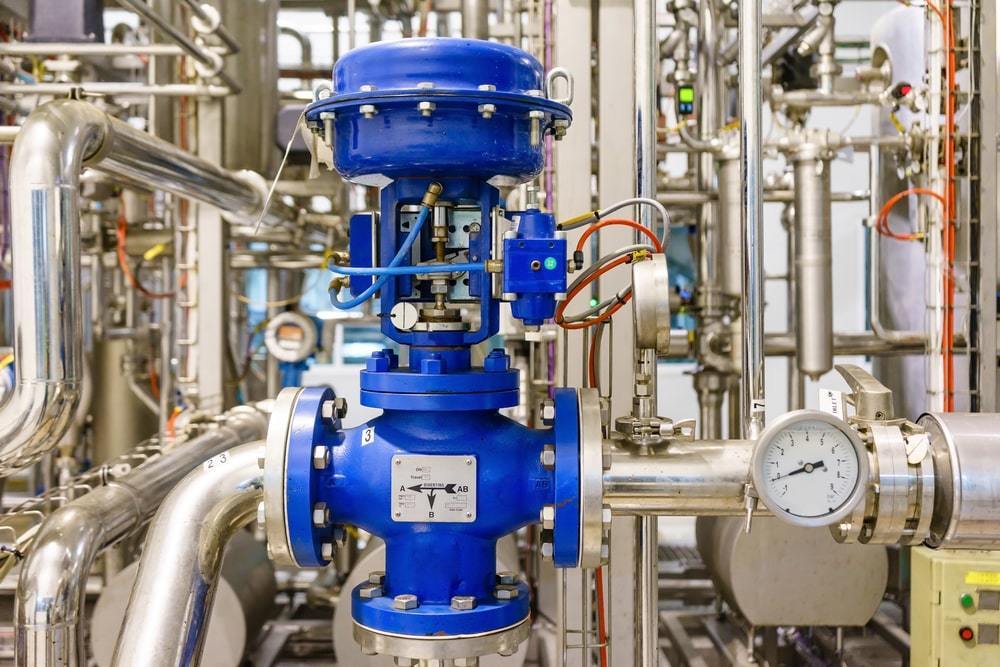
A control valve is a mechanical device used to regulate process flow by changing the size of the passage through which the fluid moves. It typically receives an input signal from a controller, positioner, or automation system. Based on the required process condition, the valve opens, closes, or moves to an intermediate position. This makes it possible to maintain a desired flow rate, pressure, temperature, or liquid level.
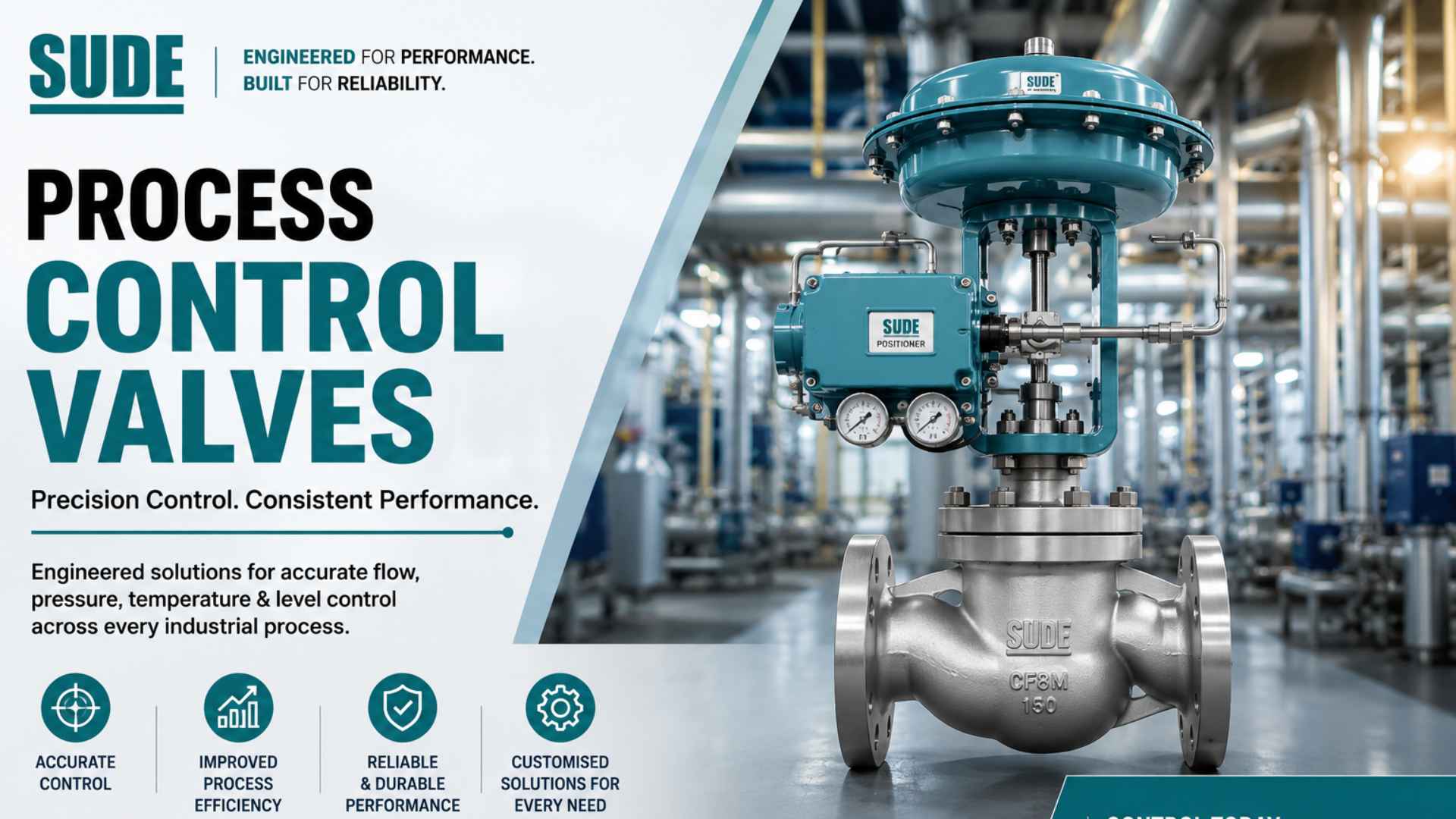
Control valves are available in different designs, including globe, butterfly, ball, diaphragm, and other specialized configurations. Each design offers particular advantages depending on the application. For example, globe valves are commonly selected where precise throttling is required, while butterfly valves can provide efficient flow control in larger pipelines. A complete control valve assembly may include the valve body, actuator, stem, plug or disc, seat, positioner, and accessories. Proper coordination between these components is necessary for smooth and accurate operation.
Role of a Control Valve Manufacturer
A Control Valve Manufacturer does much more than simply produce valve bodies. The manufacturing process generally involves engineering, material selection, machining, assembly, testing, and quality inspection. Manufacturers need to understand operating conditions such as pressure, temperature, fluid characteristics, flow rate, and pipeline size before recommending an appropriate valve configuration.
Manufacturers may also provide customized solutions for applications with unusual process requirements. Material selection is particularly important because the valve must withstand the operating environment without excessive wear or corrosion. Depending on the process, manufacturers may use carbon steel, stainless steel, alloy steel, cast iron, or other engineered materials.
A reliable manufacturing process also includes dimensional inspection, pressure testing, leakage testing, and functional checks. These procedures help ensure that the finished valve performs according to its intended operating requirements.
Major Types of Control Valves
Different industrial processes require different valve designs. Selecting the correct type depends on factors such as flow characteristics, pressure drop, temperature, media properties, available space, and required control accuracy.
Control Valve Type | Common Application | Main Advantage |
|---|---|---|
Globe Valve | Steam and process control | Precise throttling |
Butterfly Valve | Large pipelines | Compact and lightweight |
Ball Valve | Gas and liquid systems | Fast and reliable operation |
Diaphragm Valve | Corrosive or hygienic processes | Good media isolation |
Three-Way Valve | Mixing or diverting | Flexible flow direction |
Angle Valve | High-pressure applications | Efficient flow management |
Each valve design should be evaluated according to the actual process conditions instead of selecting equipment based only on pipeline size or initial cost.
How Control Valves Improve Industrial Processes
Control valves help maintain consistent operating conditions throughout an industrial system. When process variables change because of production demand, temperature fluctuations, or changes in fluid flow, the control valve can respond to the signal from the automation system. This continuous adjustment helps prevent large deviations from the desired operating point.
For example, in a steam system, a control valve can regulate steam flow to maintain a particular temperature. In a water treatment plant, valves can control the movement of water between different treatment stages. In chemical processing, accurate valve positioning can help maintain specific pressure or flow conditions.
By improving process stability, control valves can also help reduce unnecessary energy consumption and minimize stress on pumps, compressors, heat exchangers, pipelines, and other equipment.
Important Components of a Control Valve
A control valve assembly consists of several components that work together to provide controlled movement and reliable flow regulation.
Valve Body
The valve body contains the internal flow passage and houses major components such as the seat and trim. Its material and pressure rating must be suitable for the process conditions.
Actuator
The actuator provides the mechanical force needed to move the valve. Pneumatic, electric, and hydraulic actuators are commonly used depending on the application and automation requirements.
Valve Trim
Valve trim includes internal components that directly influence the flow of the process medium. Plug, seat, stem, and related parts must be designed to withstand operating conditions and expected wear.
Positioner
A positioner helps ensure that the valve reaches the required position based on the control signal. It can improve positioning accuracy and overall response.
Accessories
Depending on the application, control valve assemblies may include solenoid valves, limit switches, regulators, position transmitters, and other accessories.
Factors to Consider When Selecting a Control Valve
Selecting the right valve requires an understanding of the complete operating environment. A Control Valve Manufacturer can use process information to determine the appropriate valve type, size, material, and actuator configuration.
Important factors include:
Process fluid or gas characteristics
Required flow rate
Operating pressure
Operating and design temperature
Pipeline diameter
Pressure drop
Required control accuracy
Valve flow characteristics
Actuation method
Corrosion and erosion conditions
Installation environment
Maintenance requirements
Applicable industry standards
Incorrect sizing can create problems such as excessive pressure loss, unstable control, noise, vibration, or premature component wear. Proper engineering before installation therefore has an important role in achieving reliable performance.
Control Valve Sizing and Engineering
Valve sizing is one of the most important stages in control valve selection. A valve that is too small may restrict the required flow, while an oversized valve can make precise control difficult. Proper sizing considers the relationship between flow rate, pressure conditions, fluid properties, and valve capacity.
Engineering teams generally evaluate the required flow coefficient and operating range before selecting a suitable valve. They may also consider cavitation, flashing, noise, and velocity depending on the process.
A professional Control Valve Manufacturer can support customers by reviewing application data and recommending an appropriate configuration. This engineering approach can help reduce operating problems and ensure that the valve performs effectively throughout the expected process range.
Applications Across Different Industries
Control valves are used across a wide variety of industries because process regulation is necessary in many manufacturing and utility operations.
Oil and Gas
Control valves regulate the movement of hydrocarbons, gases, steam, and other process fluids. They can be used in processing plants, pipelines, refineries, and production facilities.
Chemical Industry
Chemical plants require accurate control of flow, pressure, and temperature. Valves must often handle corrosive or aggressive media, making material selection especially important.
Power Generation
Power plants use control valves in steam, cooling water, feedwater, and other systems. Reliable regulation is essential for maintaining stable plant operation.
Water and Wastewater
Treatment facilities use valves to control water movement, chemical dosing, filtration systems, and other processes.
Pharmaceutical Industry
Pharmaceutical manufacturing requires precise process control and, in many applications, hygienic equipment designs. Valve materials and surface finishes can therefore be important selection factors.
Benefits of Working With an Experienced Manufacturer
Working with an experienced manufacturer can provide several advantages throughout the valve selection and installation process. Technical guidance can help customers identify suitable valve configurations instead of choosing equipment based only on basic dimensions.
Manufacturers with established engineering and testing processes can also provide documentation related to materials, pressure testing, inspection, and product specifications. This information can be useful for maintenance teams and project engineers.
Another advantage is customization. Industrial applications are not always identical, and some systems require specific body materials, actuator arrangements, connection standards, trim designs, or accessories. A manufacturer with suitable engineering capabilities can develop configurations that better match the application requirements.
After-sales technical support can also help with troubleshooting, spare parts, maintenance recommendations, and future upgrades.
Quality and Testing in Control Valve Manufacturing
Quality control is essential because control valves may operate under demanding pressure, temperature, and flow conditions. A manufacturer should maintain consistent processes from raw material inspection through final assembly.
Typical quality activities can include:
Raw material inspection
Dimensional inspection
Pressure testing
Seat leakage testing
Functional testing
Actuator testing
Surface inspection
Assembly verification
Documentation review
Final product inspection
Testing helps identify potential manufacturing issues before the valve reaches the customer's facility. Proper documentation can also support installation, commissioning, maintenance, and future replacement.
Automation and Smart Control Valves
Industrial automation has changed the way control valves are monitored and operated. Modern valve assemblies can integrate with distributed control systems, programmable logic controllers, and other automation platforms. Digital positioners and intelligent valve accessories can provide information about valve position, operating conditions, and maintenance requirements.
Smart valve technologies can support diagnostic functions and help maintenance teams identify potential problems before they cause significant process interruptions. Remote monitoring can also provide useful information for large industrial facilities where equipment may be spread across extensive operating areas.
As industries increasingly adopt automation and digital monitoring, the role of intelligent control valve assemblies is becoming more important in process management.
Maintenance of Control Valves
Regular maintenance can extend service life and help maintain consistent valve performance. Maintenance requirements vary according to the valve design, operating conditions, process medium, and manufacturer's recommendations.
Common maintenance activities include checking for external leakage, inspecting actuator performance, examining packing and seals, checking positioner operation, and inspecting internal components when required. Valves exposed to abrasive or corrosive media may require more frequent inspection.
Maintenance teams should also monitor unusual noise, vibration, slow movement, inconsistent positioning, or unexpected changes in process performance. These symptoms can indicate issues involving the valve, actuator, positioner, trim, or other parts of the control system.
Control Valve Manufacturer and Customized Solutions
Every industrial plant can have different operating requirements. Standard valve configurations may be suitable for many applications, but specialized processes can require customized engineering. A Control Valve Manufacturer can evaluate application conditions and develop a configuration around specific flow, pressure, temperature, and material requirements.
Customization may involve selecting special body materials, changing trim configurations, choosing different actuator sizes, adding positioners, or adapting connection standards. For severe-service applications, specialized trim and anti-cavitation solutions may also be considered.
The objective of customization is not simply to create a unique product. It is to ensure that the complete valve assembly is compatible with the actual process and provides reliable control under expected operating conditions.
Future Trends in Control Valve Technology
The control valve industry is continuing to develop alongside industrial automation and digitalization. Modern plants increasingly require equipment that can provide both physical flow regulation and useful operating information.
Several trends are influencing valve technology:
Increased integration with automation systems
Intelligent digital positioners
Remote monitoring capabilities
Predictive maintenance
Improved energy efficiency
Advanced diagnostic functions
Better materials for demanding applications
More precise flow control
Greater emphasis on lifecycle performance
These developments are helping industrial facilities improve monitoring and maintenance while supporting more efficient process operations.
How to Choose the Right Control Valve Manufacturer
Before selecting a Control Valve Manufacturer, buyers should evaluate more than product availability. Technical capability, manufacturing quality, testing procedures, customization options, documentation, and after-sales support can all affect the long-term value of a valve system.
Consider the following points:
Review the manufacturer's product range.
Check available materials and pressure ratings.
Evaluate engineering and customization capabilities.
Ask about testing and inspection procedures.
Confirm actuator and automation compatibility.
Review technical documentation and certifications.
Consider spare parts and maintenance support.
Compare lifecycle requirements rather than only purchase price.
Ensure the manufacturer understands the intended application.
Confirm that the proposed valve meets project specifications.
A careful selection process can reduce installation issues and support dependable process control.
Control Valves and Operational Efficiency
Efficient flow control can contribute to improved plant performance. When a valve responds accurately to process requirements, equipment can operate closer to its intended conditions. This can reduce unnecessary throttling losses and help maintain stable production.
The impact is particularly important in systems involving pumps, compressors, boilers, heat exchangers, and steam networks. Poorly selected or incorrectly sized valves may create excessive pressure drops or unstable control, which can increase operating costs.
A properly engineered valve system considers not only initial installation but also expected operating conditions, maintenance, energy use, and component life. This broader approach can help organizations make more informed equipment decisions.
Conclusion
Control valves are fundamental components of automated industrial process systems. They regulate flow and help maintain pressure, temperature, and level within required operating ranges. From chemical plants and refineries to water treatment facilities and power stations, reliable valve performance can support safe and consistent operations.
Selecting the right Control Valve Manufacturer requires consideration of engineering expertise, valve design, materials, actuator compatibility, testing, customization, and after-sales support. Proper sizing and application-specific selection are equally important for achieving dependable performance.
Related Posts
- Sep 23, 2026
- SUDE
- 10
Butterfly Valve Manufacturer: Reliable Flow Control for Modern Industries
Explore More